Coffee
Archive · 4th Annual Conference
2021 — Lisbon
3–4 September 2021 · ISCTE-IUL, Lisbon, Portugal · In person and online.
Conference gallery
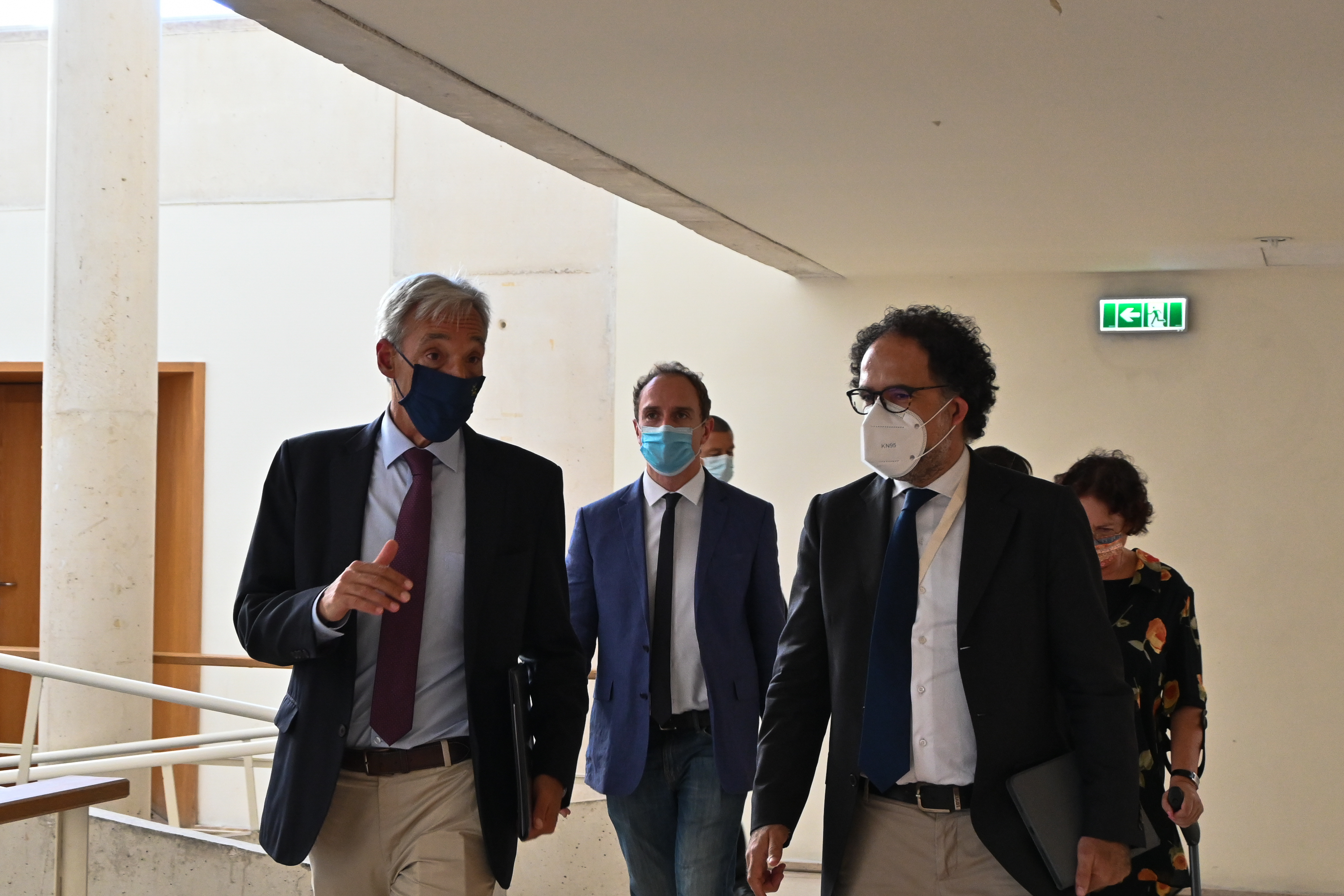
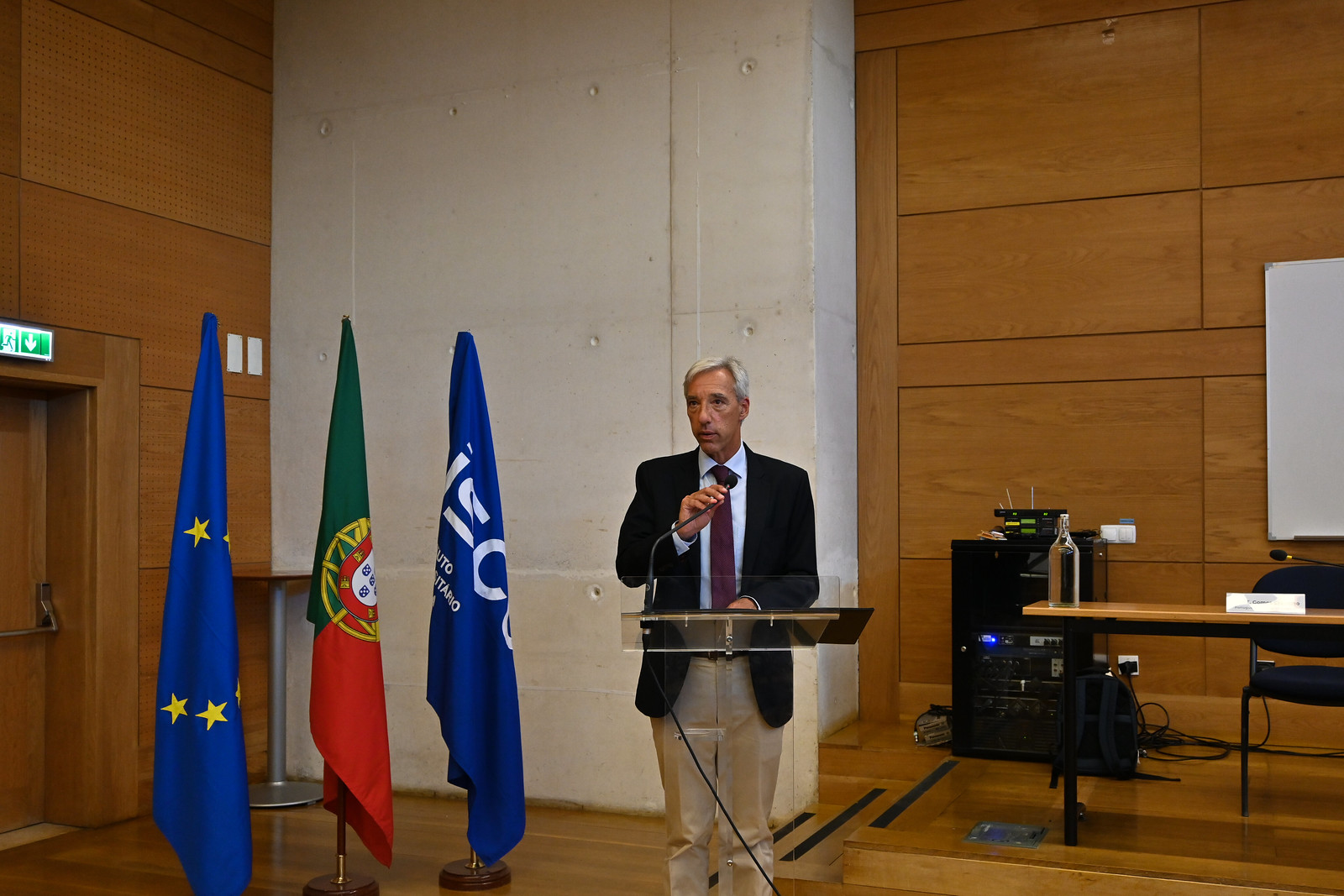
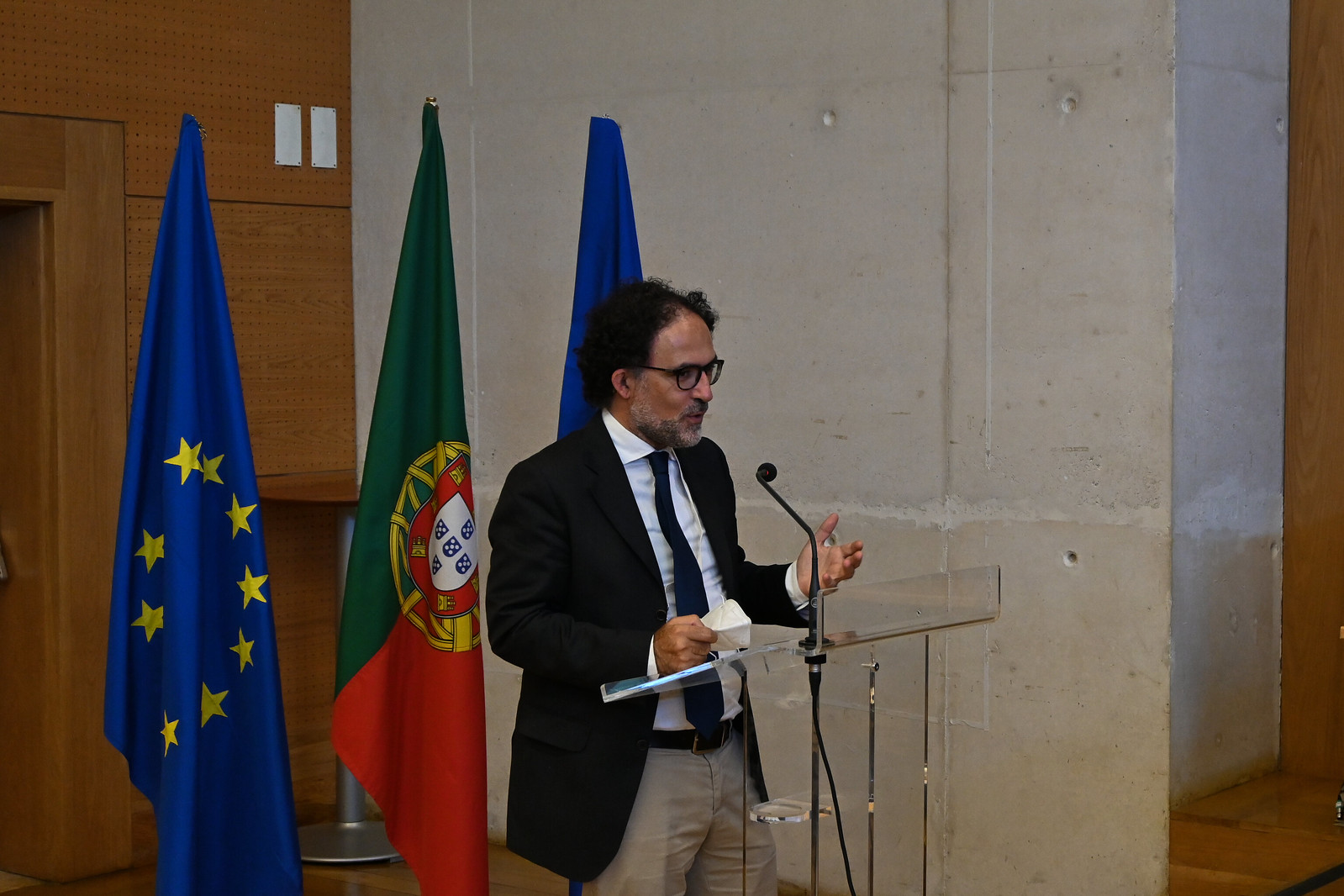
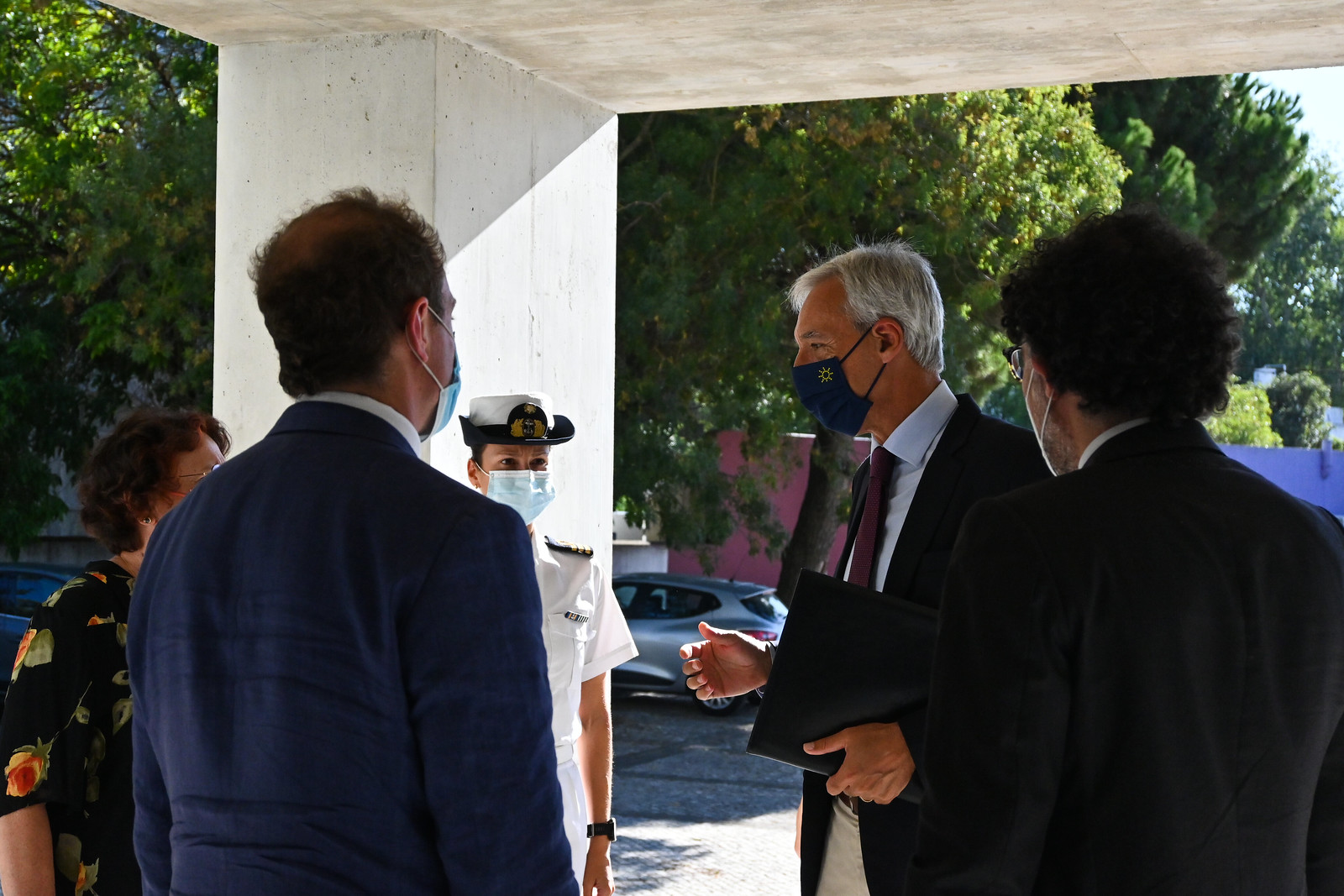

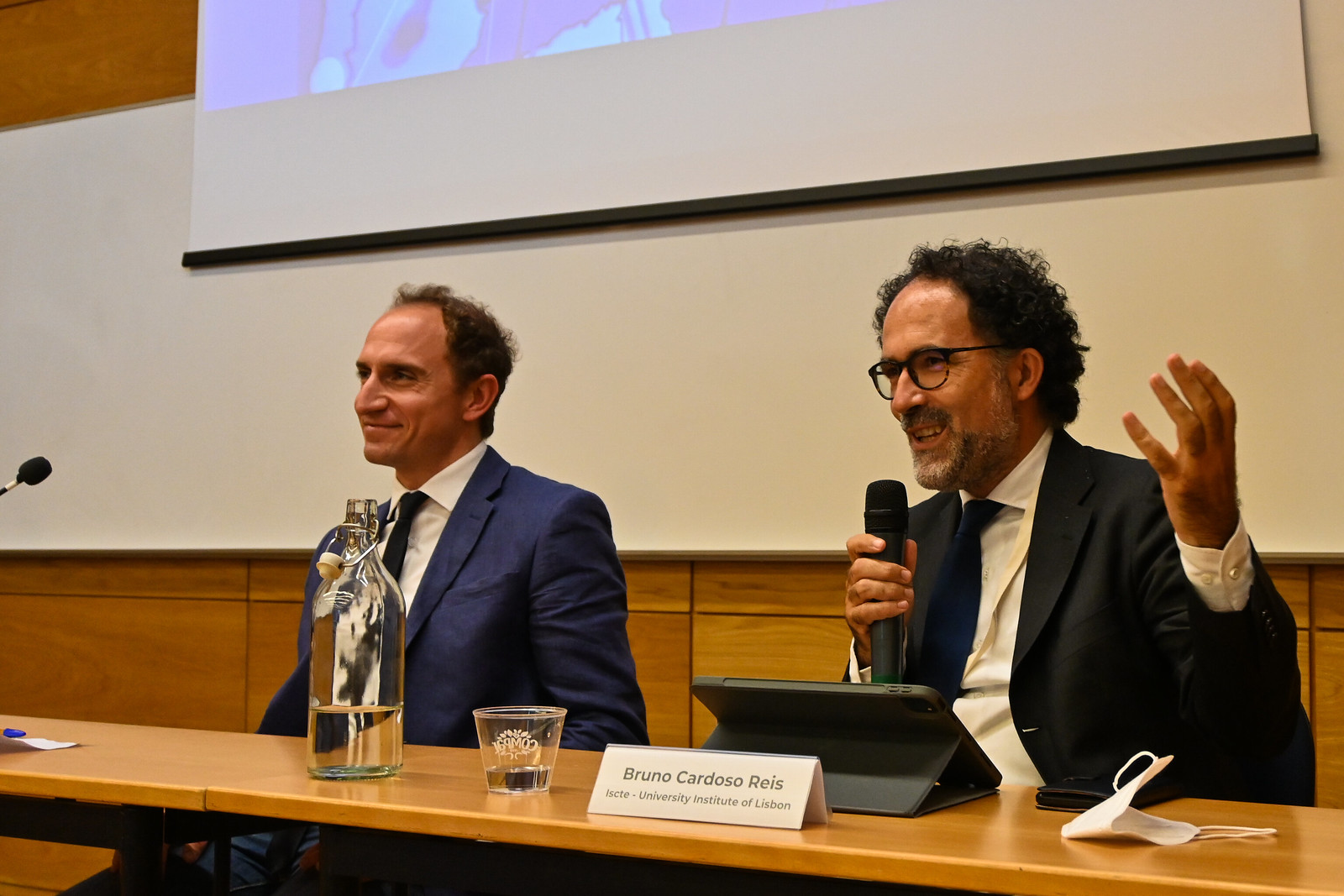
From the archive
Conference programme
The full programme of panels, roundtables and papers, as it ran. Open a session to see its papers and speakers.
Presenter
Day 1 — Friday 3 September
-
9h45 to 10h
-
10h to 10h15
Introductory Remarks
-
10h15 to 10h45
Keynote — Security Studies 2020: Blindsided by Brexit?
View papers (1)
-
Security Studies 2020: Blindsided by Brexit?
-
-
11h to 12h30
Defense Cooperation and Military Assistance
View papers (4)
-
To What Extent EU's 'Effective Multilateralism' is An Adequate Mean to Counter Hybrid Threats?
-
How Minilateralism Shapes NATO's Decision-Making Process
-
Offsetting Brexit in Defence Cooperation: Trust Matters
· ·
-
EU Military Capabilities in the Post-Cold War: A Response to Systemic Pressures
WMD Non-Proliferation and Arms Control
View papers (4)
-
Plans are Worthless, But Planning is Everything
-
Managing Assurance and Deterrence Demands in Heterogeneous Alliances: The Case of Non-Strategic Nuclear Weapons and the Future of Nuclear Sharing in NATO
-
NATO as a Nuclear Alliance
-
American Strategies of Retrenchment versus Inhibition
-
-
12h30 to 14h
Lunch
-
14h to 15h30
Military Technology
View papers (4)
-
Integration of Technical Exploitation in Military Organisations
· ·
-
Dynamics of Cyber Proliferation
-
Strategic Autonomy, European DTIB and Technological Complexity
·
Terrorism and Counterterrorism
View papers (4)
-
How Terror Evolves: The Emergence and Spread of Terrorist Techniques
-
Live-Streaming of Terrorism: Context, Potential Effects and Challenges
-
Downgrading or Upsizing Strategies: How Rebels Learn About the Right Repertoire of Violence
-
Comparative Analysis of North Atlantic Treaty Organization (NATO) and Shanghai Cooperation Organization (SCO) Counter-Terrorism Efforts
-
-
15h30 to 16h
Coffee Break
-
16h to 17h30
Military Interventions
View papers (4)
-
A Post-Liberal Age of Security? Authoritarian Interventionism in the Middle East and Northern Africa
-
France and the United States interventionism in North Africa and in the Middle East in the 21st century: A Strategic Cross-Over?
-
The Dilemma of Security Force Assistance: The Fight against Boko Haram, Military Aid, and Deepening Autocracy in Cameroon and Chad
-
What are They (T)asked to Do? Introducing the Peace Operations Mandates (POM) Dataset
Arms Procurement and Transfers
View papers (4)
-
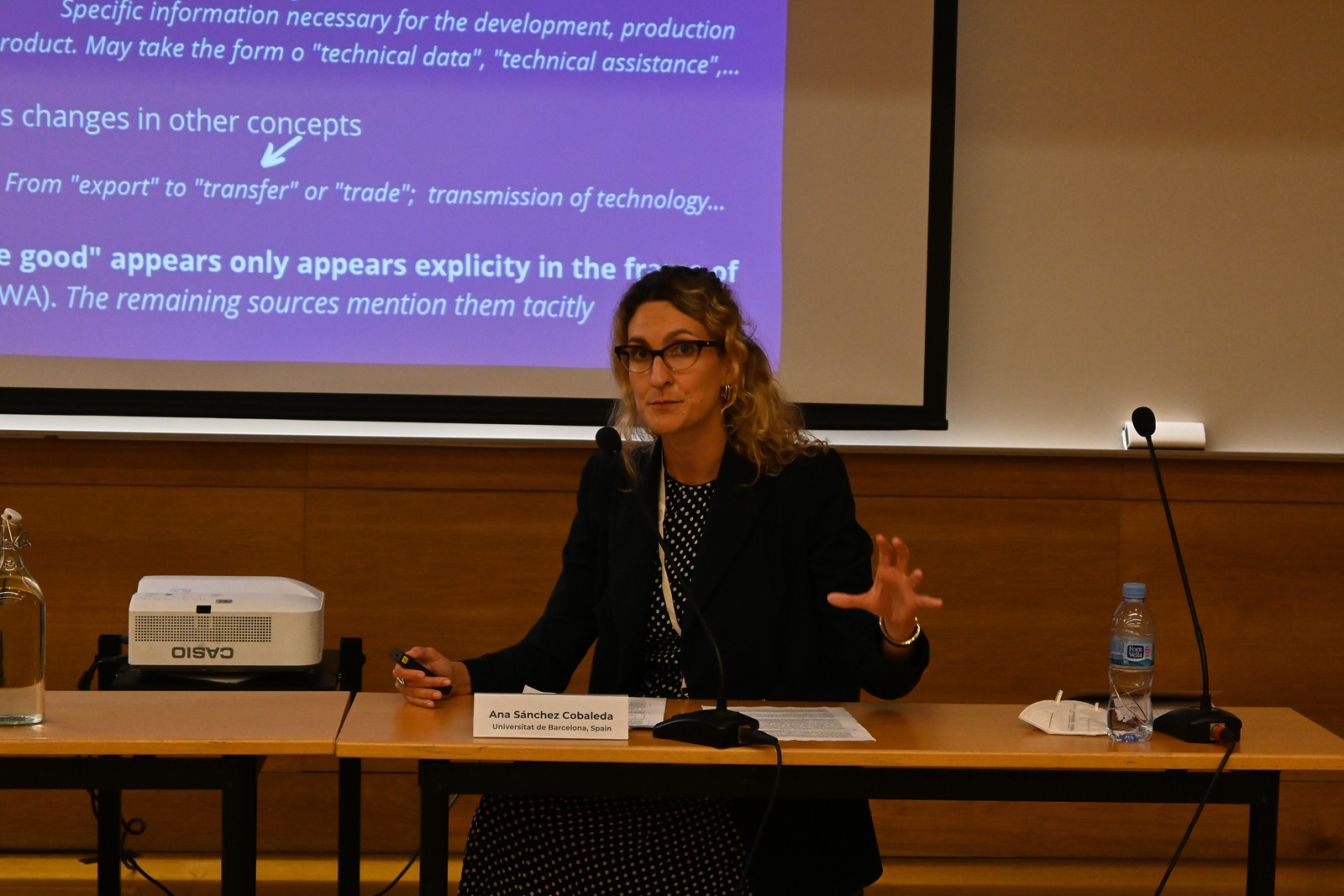
What Do We Talk About When We Talk About Dual-use Goods?
The definition of any issue subject to regulation appears to be one of the first steps necessary to achieve an efficient regulatory framework. In international law, however, it is not unusual to find concepts that still lack a universally accepted definition. This is precisely the case of the notion this contribution deals with: dual-use goods. Although this notion has a considerably extended international regulation in the frame of the non-proliferation of weapons of mass destruction (WMDs) – due to its relevance from both the commercial and development angle as well as the security perspective -, the lack of consensus when defining it entails some of the challenges which will be set out in this paper. In the absence of a legally complete and homogeneous definition, which is intrinsically difficult to achieve at present, we should not disregard the fact that the different approaches contained in the treaties and agreements regulating the non-proliferation of WMDs have managed to be accepted by a considerable majority of States that agree on the way of identifying this type of items. For this reason, this paper analyses how legally binding and soft-law sources of the current WMD non-proliferation regime (international treaties, export control regime guidelines, and UNSC Resolutions), approach dual-use goods and technologies. The analysis also classifies the different rules and regulations currently in force based on the criterion they employ to define the potential uses of these strategic items: peaceful vs. non-peaceful dichotomy, civil vs. military dichotomy and the intentionality criterion. The paper thus contributes to outline the legal borders within which the concept of “
dual-use goods
” is currently framed, it analyses how the existence of multiple criteria to define such items affects their international control and it makes possible to understand the evolution that this notion may undergo in the near future; an evolution capable of calling into question the standards of legal certainty that the international regime of dual-use items provides in this regard. -
Arms Without Influence? Defense Industrial Policy and Burden-Sharing in the Transatlantic Community
The allocation of resources and the sharing of defense burdens among members of the transatlantic security community is central to the defense of the liberal international order. It is also a fundamental component of that order in itself. While economists have shed light on variation in burden-sharing behavior among states and measured as top-line defense spending, only qualitative work in the security studies field has addressed the nature of contributions to shared priorities. Neither field has explicitly addressed spending on modernizing defense capabilities, which is of primary interest to policy-makers aiming to mitigate burden-shifting tendencies in alliances. I find the larger the weight of arms production is in its national economy, the more a state spends on shared transatlantic priorities. This finding suggests that the strategic effects of defense industrial policy, and particularly the distribution of defense industries across Europe, extend beyond the production of defense articles and into the politics of burden sharing. The finding is robust to multiple statistical modeling choices. It also finds support from primary source archival evidence and participant interviews.
-
The Proliferation of Military Drones in Europe – Not So Easy, Not So Cheap, but NATO and the EU Can Help
Unmanned aerial vehicles, also known as drones, have gained a prominent place in transforming remotely the character of military warfare. This paper looks at the surprisingly under-studied European drone landscape. While the Security and Strategic Studies scholars and practitioners debate vigorously the legal and ethical aspects of armed drone strikes and the consequences of their proliferation for the international stability, this paper qualitatively assesses the different layers of drone proliferation dynamics in Europe to shed light on the often-invisible role of NATO and the EU in the diffusion of military technology. As European countries have been having immense problems with developing their own advanced drones in the past 20 years, this paper argues that NATO, through its military logic, and the EU, via its market logic, can channel national capability development efforts by offering R\&D funding, generating expertise, supporting procurement and maintenance, regulating airspace integration, and even acquiring the lacking capabilities on behalf of their member countries. These findings contribute to the capacity-based theories of military technology diffusion by showing how NATO and the EU can help countries overcome the platform and adoption challenges posed by advanced military unmanned technology.
-
-
18h to 20h
Cocktail
Day 2 — Saturday 4 September
-
10h to 10h30
Coffee break
-
10h30 to 12h
Thinking European Security through India
View papers (4)
-
An Indian Perspective on Security and the Use of Force: The Case of the Responsibility to Protect
The global discussion around the concept of “
Responsibility to Protect
” (R2P), which proposes to reframe the norm of sovereignty, has represented one of the decade’s most controversial debates in the field of international security. The concept was applied most famously in the case of Libya in 2011. Its nature as an emerging norm and implications have been contested and remain debated in the international community. In that context, India’s nuanced reaction has been characterised as a kind of a puzzle by the media and numerous analysts in Europe and the United States. It was assumed that a democracy would embrace an initiative aiming at protecting human rights, yet India proved reticent to endorse R2P and its human rights promotion. From a different perspective, at a time when India has greatly increased its capabilities and become a recognised emerging power internationally, it could be supposed that its relation to sovereignty would evolve. Taking these paradoxes as a starting point, this paper will explore India’s relation to R2P as a lens to reflect on its current view on sovereignty, the use of force, and the United Nations. It will examine what this says about India’s larger understanding of the international order and its role in it. Finally, this paper will conclude by highlighting the implications of India’s position for the diplomacy of European states and the United States today. -
Opening the Black Box of Defence Procurement and Planning Processes: What Drives India to Develop International Defence Partnerships?
How does India identify and select its partners for security cooperation? Why does India develop defense partnerships in specialized areas with certain countries and not others? Which national institutions actually make those choices and then enact cooperation policies? The extant scholarship has looked at different explanations. Some studies concentrate on defense planning priorities such as the need to balance against China and Pakistan, and have mostly noted how the present Indian defence procurement process has led to sub-optimal outcomes in light of these strategic goals and in spite of growing financial means of a rising power like India. Other scholars have looked at how India’s strategic autonomy has led it to develop a robust indigenous defense industry but highlighted how the country remains has remained heavily reliant on defence imports, in spite of a strong political willingness supporting indigenization. Building on this, this paper looks more specifically at the role of sub-state organizations (SSOs) which are part of the official government machinery but have arguably developed some degree of agency to devise and implement defense partnerships over specific platforms with international partners. For the purposes of this study, this paper concentrates on the role of SSOs in three cases of defense procurement and/or joint ventures: the Rafale multi-role fighter jet (France), the BrahMos missiles (Russia), and the Barak AMD systems (Israel).
-
Peacock in a Coal Mine: European Understanding of Environmental Loss in India
The environmental crisis is now rightly understood as a security and stability issue. A common approach in Europe tends to see environmental degradation as the source of resource-based violence, and a potential challenge for the state. Europe tends to look at environmental issues with an avowed fear of prospective climate refugees. Neo-Malthusian theories linking population growth with environmental degradation are still widely spread. This approach obscures the fact that the source of environmental loss and displacement can lay in an economic system that uses violence to implement the interests of ruling groups while disfranchising others. Appealing only to state and international negotiations to protect the environment is therefore problematic. India is a case in point: environmental degradation and the destabilization of local communities that cause their displacement often result from a resources mismanagement by the state, enforced with violence on local communities. The state here is not problem-solving but its development is at the source of conflicts. State decisions on building dams, sand mining, and coal extraction are taken without consultations and implemented by force against locals. The state often engages police/paramilitary forces against environmental movements. Unsurprisingly, then, despite the recognition of the urgency of the environmental crisis by Prime Minister Narendra Modi, no major policy has yet been implemented to mitigate the various environmental hazard that that India is facing, neither the smog nor climate change. Rather, efforts are put into fostering further disfranchisement that correspond to an ethnic and economic agenda. European plans of actions and understanding of the environmental crisis is sorely lacking an understanding of the systemic dynamics that are at the roots of the crisis. This paper contributes to this understanding by comparing Indian and European paths to environmental protection and points out at the limits of an international relations approach of the matter.
-
India's New Security Approach to the European Union
For more than fifty years the European Union and India have steadily expanded their engagement, from trade to areas such as education, climate change and connectivity, but the last few years have added a surprising new dimension focused on defence and security cooperation that had hitherto been absent. Officials now discuss collaboration on maritime security, intelligence and counter-terrorism, and defence industries; new dialogues have been set up, including on cybersecurity; and the EU Naval Force and the Indian Navy conducted their first-ever joint manoeuvre in the Indian Ocean. What factors drive this new convergence, and why, given India's traditional reluctance to go beyond bilateral security cooperation with France or the United Kingdom, is Delhi warming to the idea of engaging the EU as a global security actor? Drawing on historical and official documents and interviews with Indian diplomatic, military and other officials, this paper shows that a changing Indian understanding of security — now more focused on cyber, technology, climate and other non-traditional domains — has paradoxically increased the EU's salience in Delhi's geostrategic perspective, with structural uncertainty marked by rising tensions with China, decreasing reliance on the United States, and the United Kingdom's Brexit further incentivising India to engage the EU as a global security actor.
Intelligence
View papers (4)
-
Breaking the ONE: The Evolution of the National Intelligence Estimate Production Cycle (1965-1976)
-
Intelligence Services and Hybrid Warfare: The Case of Ukraine
-
Power Projection, Deterrence Strategies and Escalation Dynamics: From Near-Crisis to Crisis to War
-
Rethinking Intelligence Services: Learning from Society. Towards a Project of Shared Intelligence
-
-
12h to 13h30
Lunch
-
13h30 to 15h
European Defense and Security
View papers (4)
-
Slowly Moving Towards a European Defense? The Feasible Compromise between France and Germany in the post-Brexit Context
The main objective of this paper is to provide a fresh perspective upon the vast literature on the (slow) evolution of the EU Common Defence and Security Policy, namely its capabilities and institutions, since the turn of the century. My approach will focus on the agent (national) level by looking at the European Defence through the juxtaposition and comparison of French and German national interests/strategies, and then analysing the effects caused by those two member-states to the EU (structure) level of the CSDP. By focusing on the “
national interests
” and “national strategies
” of the two main EU powers (France and Germany), the goal is to balance most of the recent literature on European defence which my paper argues has been too dominated by neofunctionalist theories that focus on the EU system as a whole and thus has moved away from more agent-level analyses that focus on the Member-States. The key hypothesis to be validated or disproved concerns the primacy that French and German interests have when it comes to the key decisions regarding EU Defence and Security policies, put to test across (1) defining security policies, (2) investing in security capabilities and (3) creating security institutions in the EU context. I argue that the CSDP has not yet evolved towards a ‘true’ European army, and that the main reason is the continued lack of convergence in French and German national interests and strategies. The paper follows an interdisciplinary approach at the intersection of International Relations, Security Studies and EU/European Studies, using a predominantly documentary method drawing on academic literature, public speeches by elected officials, and official strategic documents. -
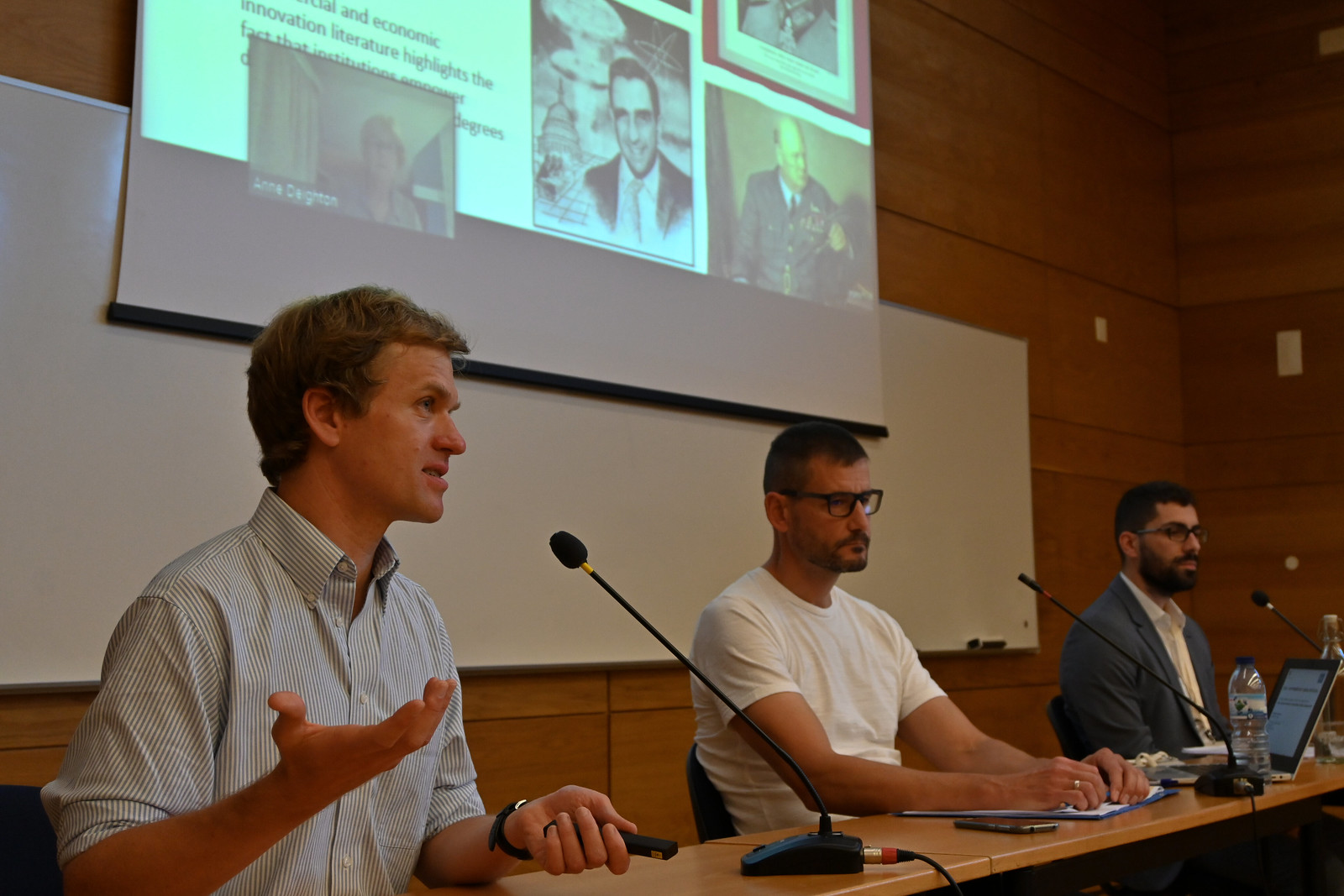
Building the Best Tank: Institutions and the Choice to Embrace Radical Change
Military innovation matters more today than at any point in the last thirty years, yet innovation studies have reached an impasse: the military-innovation literature remains rich in hypotheses but poor in definitive findings about which actors — political leaders, military officers, technologists or firms — drive the process, while political economists agree that institutions shape how firms innovate but cannot demonstrate how. Combining actor- and institution-centred approaches through a focused comparison of three states' post-Cold War tank projects — France's Leclerc, Russia's T-14 Armata and the United Kingdom's Challenger 2 — this paper argues that a state's procurement institutions, distinct from its overarching economic institutions, determine both the level of innovation it attempts and the technical risks it runs. Procurement institutions do so by setting the relative authority of different actors and structuring how they interact: technologists consistently champion novel technologies, while military officers generally prefer reliable, proven weapons, a preference that is malleable through interaction with technologists. When uniformed services formulate requirements without technologists' input the outcome is conservative (the Challenger 2); radical innovation results when institutions empower technologists to shape projects from the outset (the Leclerc and the T-14). The paper finds, counterintuitively, that competitive procurement produced the least innovative tank, and that these institutions are neither immutable nor inferable from regime type or ‘varieties of capitalism’.
-
Analyzing Small States' Use of Military Power: From Ends-Ways-Means to Objectives, Frameworks and Capabilities
-
Crisis Management and Partnership Peacekeeping: Coordination Between the EU, AU, and UN
Private Actors, Armed Conflict and the State
View papers (4)
-
From Confrontation to Cooperation: Non-State Armed Group-UN Interactions in Peace Operations
-
The State Monopoly of Violence as Organized Hypocrisy: The Privatization of UN Peacekeeping Operations
·
-
Strategic Consequences of Tactical Alliances. The Case of the US-led Coalition Against Islamic State Allying with the Syrian Democratic Forces
-
-
15h to 15h30
Coffee Break
-
15h30 to 17h30
Keynote Multidisciplinary Roundtable — Studying Security. A Multidisciplinary Perspective
-
17h45
Concluding Remarks
Reconstructed from the conference's final printed programme.
Host & venue
ISCTE-IUL, Lisbon
Center for International Studies, ISCTE-IUL · Av.ª das Forças Armadas, 1649-026 Lisboa, Portugal.