Programme highlights
Keynote & introductory remarks
Introductory remarks: Hugo Meijer and Alain Dieckhoff, Sciences Po CERI.
Keynote: Stephen Brooks (Dartmouth College) and Barry Posen (Massachusetts Institute of Technology).

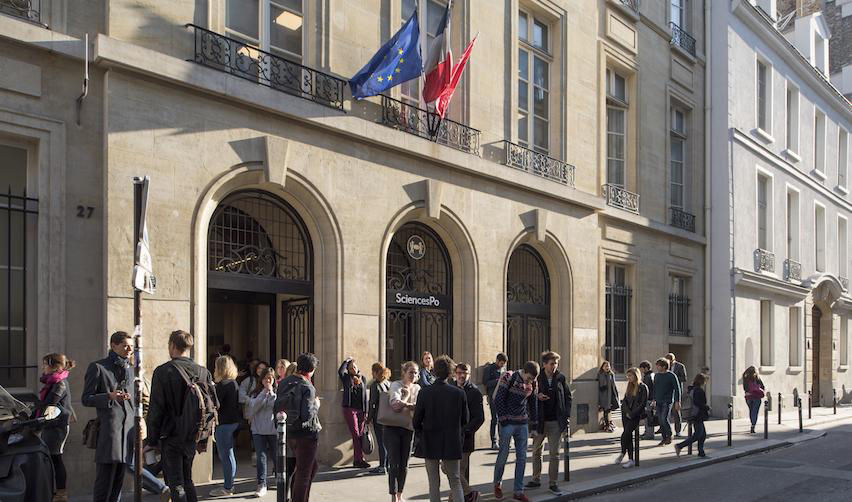
27–28 June 2019 · Sciences Po CERI, Paris, France.
Introductory remarks: Hugo Meijer and Alain Dieckhoff, Sciences Po CERI.
Keynote: Stephen Brooks (Dartmouth College) and Barry Posen (Massachusetts Institute of Technology).
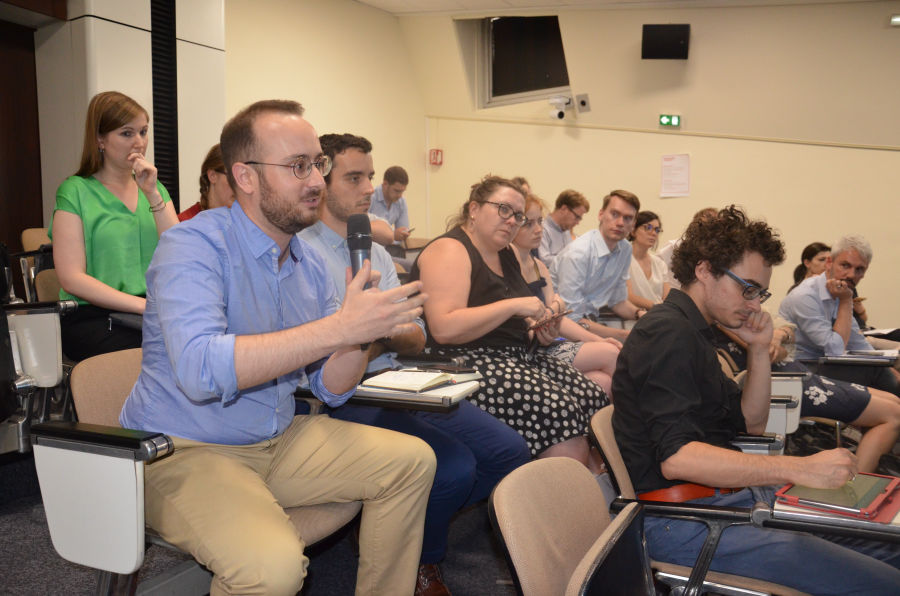
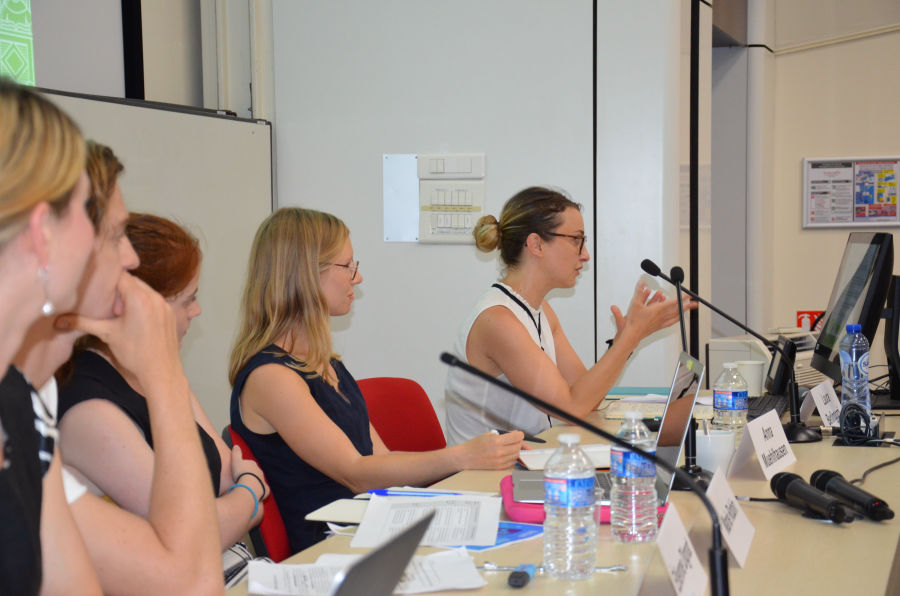
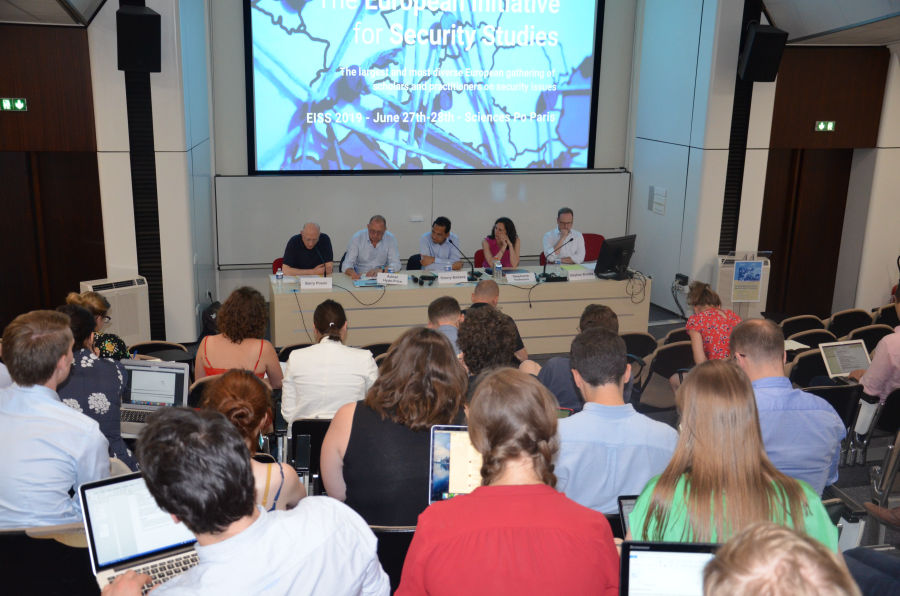
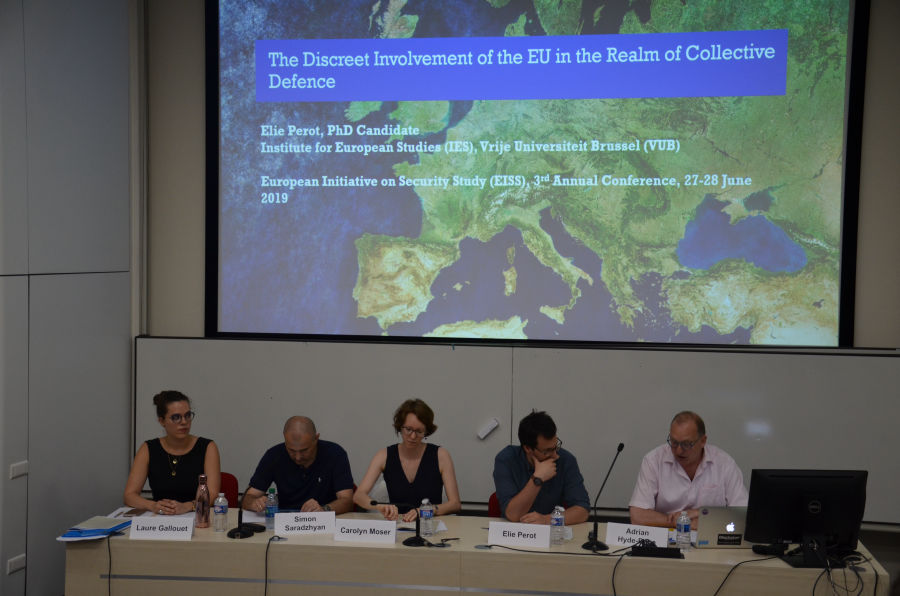
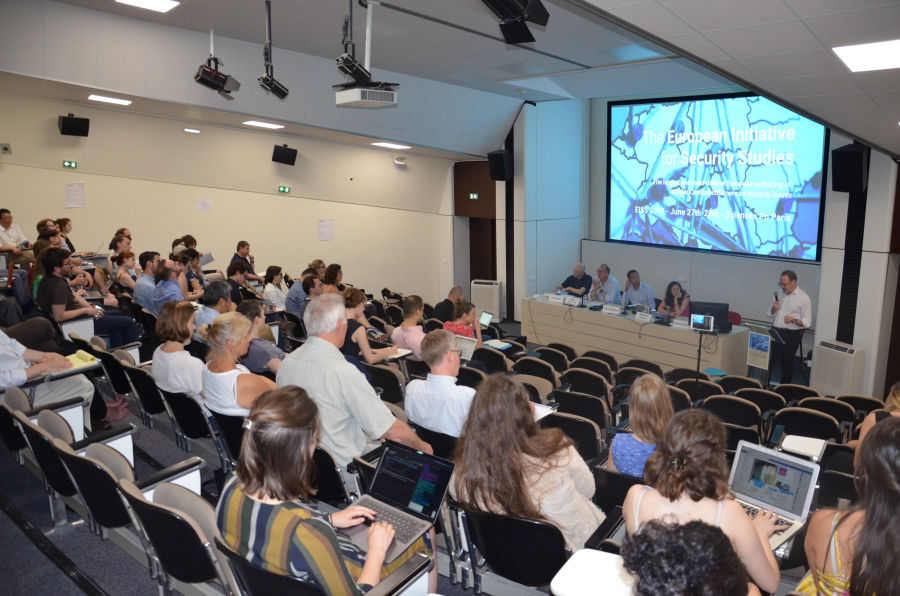
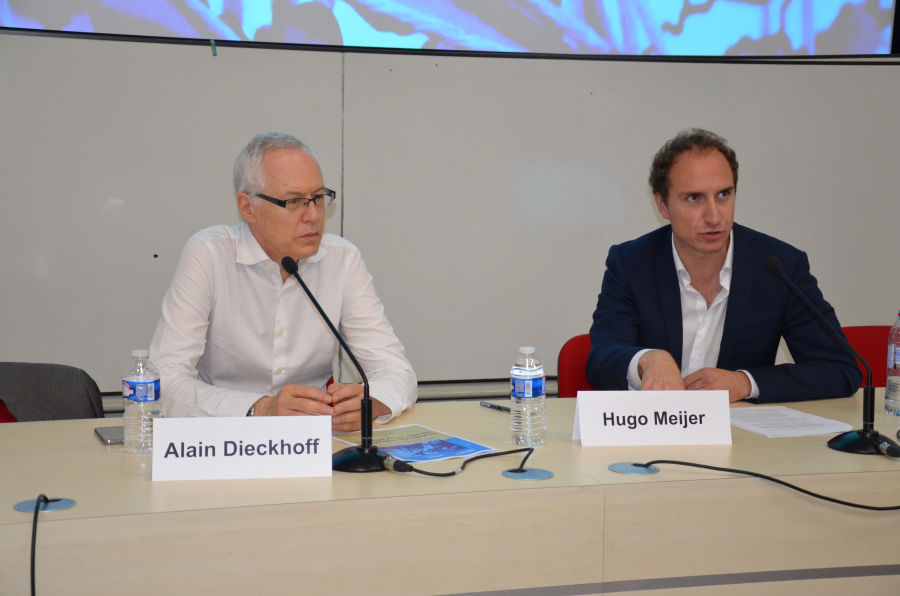
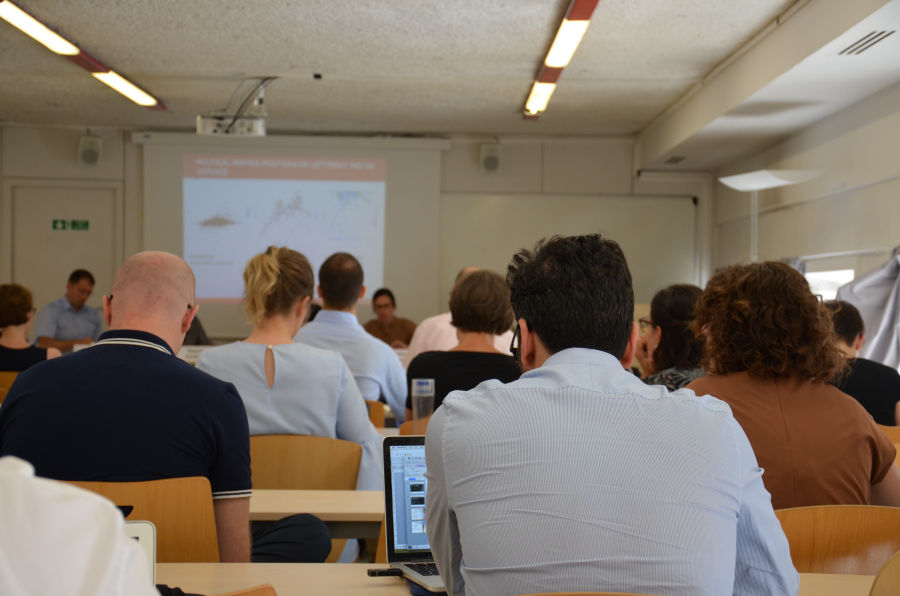
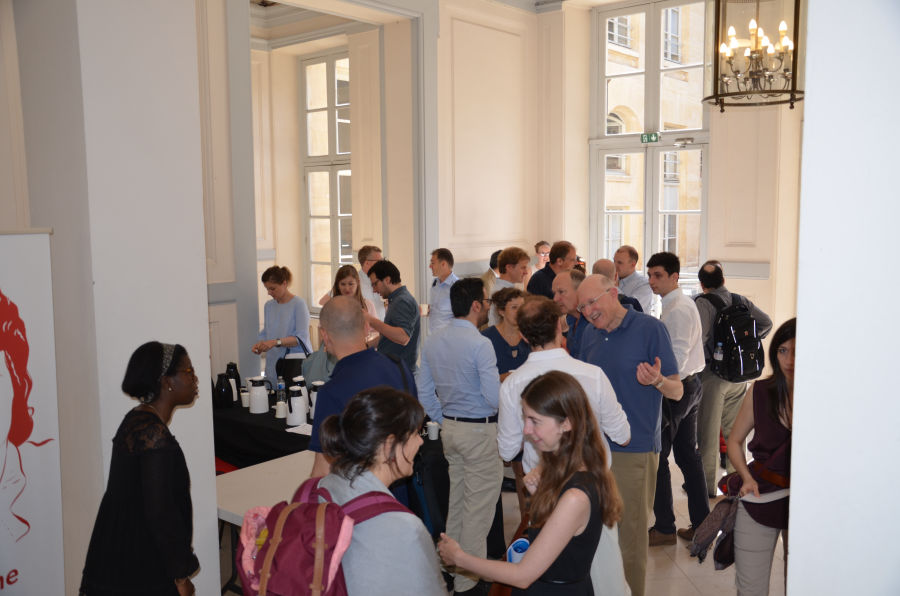
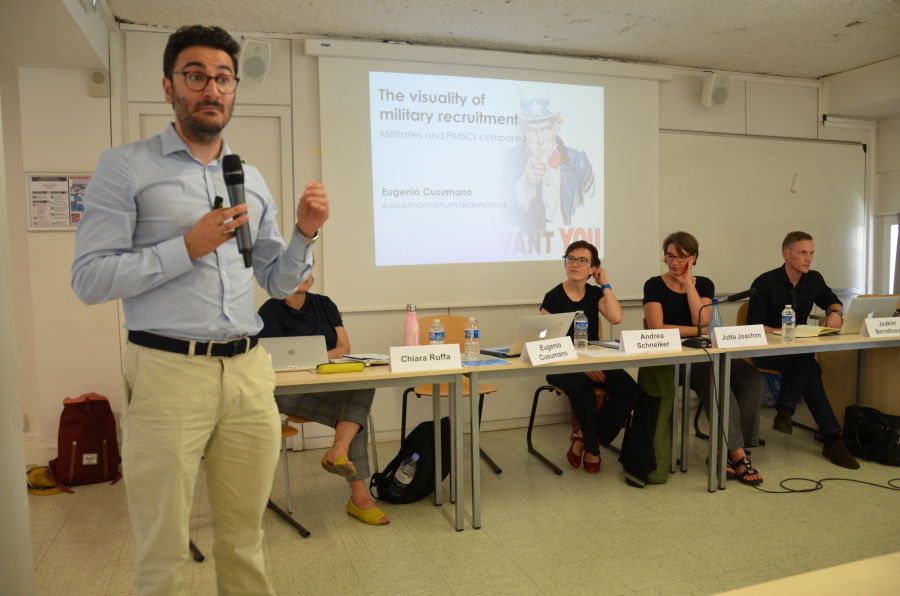
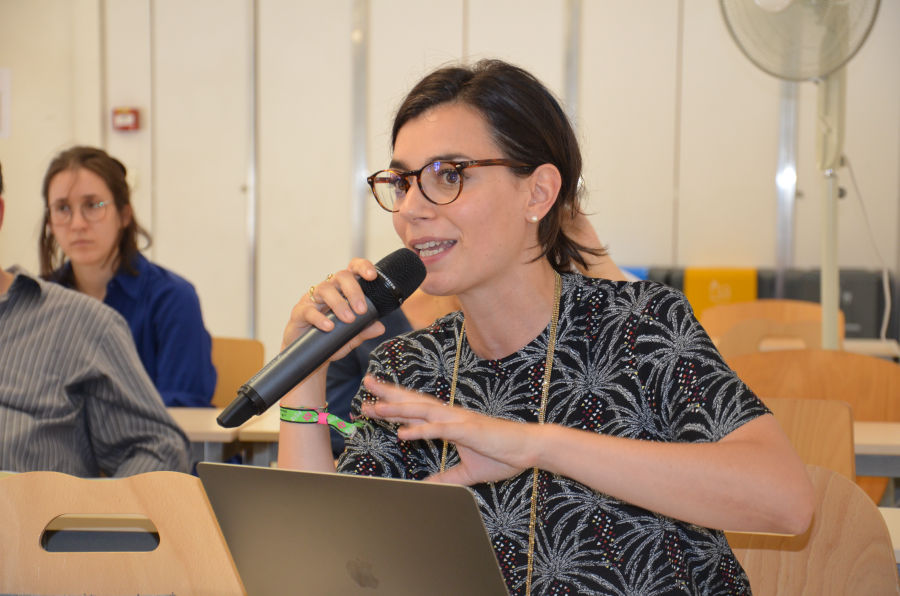
The full programme of panels, roundtables and papers, as it ran. Open a session to see its papers and speakers.
Presenter
Introductory Remarks
·
The Discreet Evolution of Collective Defense within the European Union
Lifting Pooling and Sharing to a Higher Level: The European Air Transport Command
Stronger Together? Austria's Strategy of Defense Cooperation
The Sino-Russian Rapprochement and Its Implications for Europe
Norway and the Arctic: Climate Policy and Energy Paradigm
As the Polar region gathers a load of challenges (i.e. climate change, resources management, opening transport routes, etc.) affecting local communities, it engages public authorities and other stakeholders including civil society to meet them. Also, it has been for 25 years a space for backing climate policy and environment. Norway is exposed to major negative impacts due to climate change effects on its territory, specifically on its coastline. Public authorities published key assessments on costs and needed adaptation in the coming decades. Besides, the Nordic country stands as a specific player on the Arctic stage. On the one hand, Norway is committed to implement international agreements to fight global carbon emissions. The country is shifting toward a free-carbon model as transportation and infrastructures has to meet critical objectives to reduce CO2 emissions. On the other hand, the state is still relaying on fossil fuel resources for its economic development, despite the emergency of the climate crisis. For over 50 years, Norway has based its social model on the oil and gas industry. Its government holds several O\&G projects in the Barents Sea. This paper will discuss the current strategy in term of energy development. This strategy retains two aspects. The first one is dedicated to the energy model shifting promoted for internal policies. The second one is oriented to the international energy market as the state and key energy stakeholders maintain O\&G projects in the Arctic as the economic future of the country. What are the consequences of such a dichotomy? Is there any division among stakeholders? What are the implications in term of security?
Regionalization of Environmental Security and the Role of the Military: South Asia as a Case in Point
Climate Change and the US Military: Changes and Continuities Under the Trump Administration
Over the last decades, the United States Department of Defense has started to think about climate change and its implications for national and global politics. Following Donald Trump’s elections, many commentators predicted a substantial revising of both environmental and defense policies at the federal level, which would represent a radical change in comparison to the policies implemented under the Obama administration. Regarding environmental policies within the Department of Defense, we could argue that, if we can identify substantial changes, many programs, bureaus and policies initiated under the Obama administration are still in operation. It is possible to explain this apparent paradox through a brief history of how environmental and climate-related issues became relevant for the military. In the 90s and the 2000s, the military, under increasing normative pressure, began to adapt its equipment, procedures and doctrines to new sustainable norms (a “greening
” of the military). These efforts began in the 80s and the 90s and peaked in the early 2000s with the creation of environmental bureaus charged with enforcing ecological norms and codes of conduct, on both material and operational levels. The most important element, however, is that the Department of Defense started to incorporate climate change into its strategic doctrine. This is partly the consequence of the work of military analysts, think tanks and research centers close to the military establishment. This translation of the issue into military terms stay relevant under the current administration. This paper will present the result of a fieldwork conducted in April 2019 in the United States.
Money Rather Than Muscles: China's Approach to Post-Polar Arctic Security
Coffee Break
Modelling the Role of 'Hype' in the Development Trajectory of 'Long-Fuse' Defense Technologies
When it comes to selecting a new technology to mature into a battle-winning weapon, there is rarely ever such a thing as a sure bet. Despite this truism, some novel technologies can trigger intense initial enthusiasm (or ‘hype’), generating expectations among defense planners and military experts that far exceed their realistically known attributes. As every decision to invest in one technology over another is pregnant with the potential opportunity cost that a battle- 1 winning technology was not selected, hype about certain technologies may prove harmful. Yet hype may also work to funnel research money towards nascent technologies at a critical stage in their development life-cycle. Through comparing two ‘long-fuse’ technologies that have triggered considerable enthusiasm in the U.S. defense community – artificial intelligence and high-energy lasers – this paper seeks to better understand the role hype plays in the development trajectory of key military technologies.
Failing to Succeed: The KPz 70 and German Innovation in Armored Warfare, 1963-71
In 1963, West Germany and the United States agreed to jointly develop a next-generation main battle tank (MBT): the Kampfpanzer 70 or MBT 70. With an integrated 152 mm gun/missile system, an autoloader handling caseless ammunition, spaced armour, a revolutionary hydro- pneumatic suspension, and a top speed of close to 45 mph, the KPz 70 was well ahead of its time. However, the sheer complexity of the design, which was an attempt to push ahead in several areas of cutting-edge technology development simultaneously, also proved its undoing. Plagued by technical issues and cost overruns, the project was abandoned by the Bundeswehr and collapsed shortly thereafter. The eventual results of the separate replacement projects were the Leopard 2 on the West German side and the M1 Abrams on the American side, both of which remain in widespread service to this day. Despite playing a critical role in the development of Western armoured forces during the “long peace
”, the failed KPz 70 and the concepts that would have underpinned its employment in battle have not received much attention in military innovation studies. The paper will examine the development, demise and legacy of the KPz 70 programme within the overall context of the evolution of Cold War mechanized warfare. It will situate the KPz 70 and its capabilities both within the historical context of German armoured operations in the latter phase of World War II, and in relation to the Cold War military competition along the European central front. Far from being only of historical interest, the increasing prevalence of cooperative armaments programmes as a tool of military innovation and the ongoing development of a new German- French MBT make the KPz 70 a highly relevant case study within the framework of the proposed special issue. The article will be based on German primary source materials stored at the Bundesarchiv-Militärarchiv in Freiburg im Breisgau, which are expected to be highly pertinent based on a preliminary inspection.
Keeping Pace: Technological Change and Military Innovation in the Italian Armed Forces
·
This paper analyses the ability of the Italian Armed forces to innovate in the face of rapid technological change in the post-1945 European “long peace
” by investigating two case studies in two different timeframes. In the first section, we look at how the Italian Navy reacted to the challenge posed by the introduction of the military exploitation of nuclear energy – both as a propellent and as an explosive - in the late 1950s and in the 1960s. Faced with the opportunity of a rapid transformation of its role, the Navy reacted with a host of interesting initiatives both in the 2 theoretical and in the technological field. Such a creative outburst, however, petered out in the following years due to a number of different obstacles. In the second section of the essay, we explore how the Italian Air Force has, up to this moment, addressed the challenges associated with the introduction of the F-35 Joint Strike Fighter. The analysis shows that the IAF largely anticipated the challenges and the opportunities brought about by procurement of 5th generation aircraft and has, accordingly, steadily and continuously pursued innovation in both conceptual and technological terms. To conclude, we discuss the similarities and the discontinuities between the two cases focusing on how the Italian Armed Forces approached military innovation (bottom-up/top-down, centralized/decentralized), the kinds of innovation they were able to generate (technological, conceptual, long-cycle/short cycle) and the major driving factors (civil-military relations/alliances/culture/threats/bureaucratic politics). These will be then employed to draw broader inferences regarding the implication of the armed forces’ innovation for Italian defense policy.
Planning to Escalate to Deescalate: Military Alliances and Innovation during France's Cold War
Military innovation’s salience within international relations is growing as the world evolves towards increasing multipolarity. Political leaders, whether in the United States, Europe or China, are pushing their states’ armed services to develop the capabilities they regard as strategically essential. Many of states’ contemporary military innovations aim, however, to either dissolve hostile coalitions or bind their own alliances more closely together. To improve our understanding of this phenomenon, I advance a rationalist alliance-based theory of military innovation that improves upon this state of affairs. Political leaders in states whose security depends significantly, but not entirely, on alliance relationships, will seek to shape their militaries’ doctrines and force postures to maximize the security benefits they receive through the alliance. Military innovation, to the extent that political decision-makers control the process, will consequently be shaped by governments’ efforts to buck-pass or chain gang vis- à-vis their alliance partners. The extent to which states’ military doctrines both reflect leaders’ alliance preferences and are militarily viable will, in turn, be shaped by the quality of the institutional structures by which political leaders’ preferences are translated into military plans and policies. My study demonstrates the plausibility of this approach by applying the analytic framework provided by actor-centred institutionalism (ACI) to three major modifications to French military doctrine between 1958 and 1981.
Parties, Exit and European Security and Defense
Governments have contested European integration, at large, and national policy domains, in particular, ever since the creation of the European Coal and Steel Community. The policy domain of European security and defense is no exception in this regard. When the Netherlands and Germany were against a France-led European security and defense policy in the 1960s, the Fouchet Plans failed. But when Denmark objected to the European Security and Defense Policy, this policy did not fail but Denmark was granted an opt-out. The institutional depth, one could argue, had changed over time. In the context of institutional depth, the UK was always ambivalent towards a European security and defense policy. It joined it at first, then blocked much of its institutional development and now that Brexit is on the table, it wants to be as closely related to it as possible. What explains these variable interpretations of European security and how does it impact the institution? In this paper, I will look at British political parties, their understanding of European security and the institutional depth based on which their decision to participate or not to participated rests.
Debating Military Interventions: Party-Political Patterns of Justifications for Using Armed Force in Canada, Germany and the United Kingdom
This paper presents the results from a computer-based Qualitative Content Analysis of parliamentary debates on military interventions in Canada, Germany and the United Kingdom. Although all three countries are Western European NATO allies and EU members, their strategic cultures differ considerably: whereas Germany has become known for its culture of antimilitarism , the UK has been at the forefront of Western interventionism. The UK also differs from Canada and Germany by being a great power with nuclear weapons and a permanent seat on the United Nations Security Council. Tis paper will examine to what extent parties of the same family (radical left; green, social- democratic; Christian-democratic, conservative and (populist) radical right) use similar arguments to justify or criticize the deployment of armed forces abroad. Although political-strategic culture has an influence on the terms of debates in the three countries, I will show that in all three countries, national interests will be most prominent among conservative parties, cosmopolitan-humanitarian rationales will be most frequent among social-democrats and greens and isolationist arguments will dominate speeches by MPs of the radical right and radical left. Furthermore, I expect parties on the right of the political spectrum to show a more instrumental attitude on international law and a United Nations Security Council mandate in particular.
Not Whether but When: The Influence of Leaders on Foreign Policy
Over the last decade, IR scholarship has increasingly focused on the role of leaders in world politics. Nevertheless, it remains unclear when political leaders matter for foreign policy outcomes. Existent answers propose that prodigious power and great uncertainty elevate the influence of a particular leaders’ individual characteristics. While we accept that power and uncertainty are essential aspects to account for leaders’ influence, we argue that this is too narrow a focus. To improve IR scholarship’s conceptualization of specific leaders’ sway, we propose a novel framework – one that takes into account the various constraints that exist at several levels of political interaction and integrates these constraints into the ideational context of foreign-policy decision-making. Our framework can help point scholarly attention to the kernel of political leadership that truly matters: If a particular leader were replaced, certain foreign policy choices of her state would not be the same. To illustrate our framework, we probe the influence of Prime Minister Margaret Thatcher on Britain’s policy toward German unification during 1989-1990. To this end, we primarily draw upon recently declassified materials we collected from UK and US archives.
When do Legislatures Matter in Civil-Military Relations?
Lunch
Globalized Authoritarianism, Intelligence Cooperation and Transnational Repression
Libyan Covert Actions in Europe, the Palestinian Armed Struggle, and Western Intelligence (1972-74)
Of Ticking Bombs: Intelligence in the Counter-Terrorism Domain, 1970-Present
Is Pessimism Well-Founded? Intelligence Analysis and the Intentions of Competitor States
We Are Army After All? Military Recruitment in the Netherlands and Germany
·
How do militaries ensure their monopoly of force when they have to compete with commercial employers? This paper addresses this question by comparing the Royal Army of Netherlands with the German Bundeswehr. While both have moved from being conscription armies to all- volunteer forces, they have done so at different times and exhibit differences with respect to their historical evolution and international engagement. Both armies offer therefore interesting laboratories to examine what are, thus far, largely theoretical but related arguments in connection with military recruitment practices, including the claims that armed forces in light of heightened competition from the private sector increasingly show signs of marketization and are losing their unique character. Based on a content analysis of recruitment videos of the German and Dutch militaries and an organizational culture model, we suggest that marketization appears not the only strategy to react to dwindling numbers in personnel. Instead, and depending on their military culture and competitive pressures, armed forces may also respond by amplifying their military character.
The Visuality of Military Recruitment: US and UK Militaries and PMSCs Compared
Military sociology and international relations have extensively written about the transformation of the military profession and the changing motivations underlying military service. The ways in which military recruitment strategies have evolved in response to these changes, however, is much less investigated. Although some scholars have examined the evolving discourses surrounding recruitment, existing literature has primarily examined written texts, overlooking the visual component of recruitment strategies. Moreover, existing scholarship has almost exclusively examined the military recruitment strategies of public military organizations, largely disregarding the increasing role played by private military and security companies (PMSCs) as potentially alternative employers. This paper draws on Peircean semiotics to systematically compare the visual dimension of public and private military organizations’ recruitment strategies in the US and in the UK between 2001 and the present day. By examining whether and to what extent states’ armed forces and PMSCs rely on similar visual identity systems, this paper provides novel insights into the recruitment strategies and shifting role conceptions of both public and private military organizations contributing to private and visual security studies alike.
Masculine Cultures, Exclusion Mechanisms and Retention of Female Personnel in the Military
Neoliberal Governmentality and Military Recruitment: Governing the Working Class Male Soldier
Coffee Break
Little Ado About Something: A Gender Perspective of EU and UN Counter-Terrorism Strategies
Al-Baghdadi's Revenge: Identifying the Strategic Value of Vengeance Narratives in the Islamic State's Propaganda
Negotiations with Terrorist Groups and the "No Talks" Paradigm
Hostages and Counter-Terrorism: The Fallacies of the Realist Approach
The Military-Entrepreneurial Complex: Commercial Innovation and State Access
China's Efforts in Civil-Military Integration and International Implications
Making the U.S. Defense Innovation Base More Effective in the Digital Arms Race with China: The Increasing Engagement of the Pentagon and Traditional Defense
NATO, Emerging Technologies, and Future Warfare: Overcoming the Alliance's Strategic Dilemma
Cocktail
A Case Study: Russia's Special Operations Command in Military Interventions
·
Converging and Conflicting Dynamics of Cooperation: European Security Efforts in Sahel
Analyzing the Individual Strategic Practices of Deployed Officers in Multilateral Military Operations: An Analytical Framework
·
Reluctant to Intervene? The Ambiguous Politics of Peacekeeping in the Case of Emerging Powers
·
Exports of Second-Hand Arms: Increasing the Competition for Arms Producing Firms
The Political Economy of Drones on the European Defense Market
Between Power and Plenty: The New EU Defense-Industrial Initiatives and the Transatlantic Relationship
Coffee Break
Private Diplomacy and Transatlantic Burden Sharing During Detente: A View from the Netherlands
The Trump administration’s insistence that the European NATO countries need to increase their defense contribution, while casting doubt on America’s NATO-commitment in case they do not, has put a severe strain on transatlantic relations. While the outspoken uncertainty of the American NATO commitment is new, the burden sharing debate at the heart of current transatlantic tensions is not. This paper will focus on the role of private diplomatic actors in mediating transatlantic tensions amidst the burden sharing debate of the late 1960s and early 1970s, when American frustration about asymmetric transatlantic defense spending led to the introduction of Congressional amendments proposing a reduction of American troops permanently stationed in Europe, meant to induce the Europeans to pick up a greater share of the defense burden. This happened as anti-Americanism was on the rise in Europe while public support for defense spending waned as citizens’ experience of the perceived Soviet threat decreased in the context of detente. Meanwhile, citizens on both sides of the Atlantic demanded to have a greater say in matters of defense and foreign policy, making them an important force to be reckoned with. These developments did not only lead to serious transatlantic tensions and a major public diplomacy challenge for NATO, but also to an increasingly complex transatlantic diplomatic space. As this paper will show, the diplomatic playing field that developed also opened up new avenues for private actors to play diplomatic roles in mediating transatlantic tensions while pursuing their own transnational agendas. This will be demonstrated through a case study of the unofficial diplomatic role played by the Dutch Atlanticist Ernst van der Beugel, based on research in both public and private archives, including personal correspondence made available by Henry Kissinger following an interview by the author.
Theories of Balancing and US Grand Strategy: Unpacking the Europe vs. East Asia Tradeoff
·
Much of the scholarly debate on US grand strategy revolves around the question of whether the United States should adopt a forward-leaning global military posture or rather leverage its quasi- island status to let the world’s great powers balance against one another. Such debate is often held in relation to Europe and East Asia, for those are the only two regions with the wealth and military- industrial potential needed to credibly challenge the United States. However, the reality of US forward presence since WWII means that this debate has been fought primarily on prescriptive ground. In fact, a more relevant question – one with which policymakers have to grapple with on a daily basis – is which region matters most under which circumstances. It is surprising that the issue of resource tradeoffs between regions in US grand strategy has not received much attention in the IR literature yet, especially since the US 2017 National Security Strategy and the 2018 National Defense Strategy identity both Russia and China as “long-term strategic competitors.
” Therefore, in this paper we present a theory of US balancing behavior in Europe and East Asia to elucidate which factors account for the prioritization of one region over the other. We hypothesize that, in a permissive environment, the United States balances against elements of power of competitors in both regions simultaneously. Yet, once a single competitor reaches an advantage across many elements of power, scarcity of US resources compels Washington to set regional priorities and to prepare for balancing against that single competitor across all elements of power. This is because the fungibility of the competitor’s power resources – through spill-over effects and issue linkage – logically increases as its overall amount of power increases. To illustrate the plausibility of our hypothesis, we select two case studies: The Cold War and the Pivot to Asia.
Inhibition or Control: European Autonomy and US Grand Strategy
For seven decades, American policymakers have been adamant that the US security guarantee and nuclear umbrella both pacified intra-European rivalries and deterred external attacks on Europe. However, a closer examination of US behavior towards Europe since the end of the Cold War in fact shows that US grand strategy is more puzzling than it seems. Despite the US and European allies sharing values and interests and the absence of a common threat, the US government still undermined attempts at European strategic autonomy at various points. Washington could have seen European efforts towards autonomy as an opportunity to pass the costs of European security rather than a risk, yet a desire for control seems to have been driving US behavior. The question of American motives is only more relevant again, now that European allies are confronted with an age of American ambivalence about its alliance commitments in Europe and Asia. Arguments in favor of retrenchment have increasingly become part of both public and academic debates, most obviously in President Trump’s undiplomatic language. Indeed, President Trump has changed the debate in Europe on European autonomy, including deterrence. This paper looks at whether, when, and how attitudes of past and current American officials towards Europe have changed or are changing. It takes into account structural pressures, domestic politics, and the emergence of new ideas in American strategic thinking.
The Future of European Security Architecture: Back to Lady Thatcher and her Ententes
This paper asks what next if the two core pillars of European security wither away. For seven decades, the transatlantic alliance ensured external and internal security on the continent. The ever expanding and deepening European economic and political integration enhanced prosperity and ensured stability. Today, the US government seems increasingly reluctant to sustain its alliance system, and populism and nationalism undermine the European integration project. Thus, I leverage insights from declassified governmental documents to investigate likely alternative European arrangements. I go back to the last known pertinent historical junction and trace the dilemmas policymakers faced. I argue that the end of the Cold War was the last moment at which the current architecture was doubted. Three decades ago, British Prime Minister Margaret Thatcher distrusted the American pledge to remain engaged in Europe. She also resented European integration as the means to tie down the reunifying German Gulliver. In a competitive international environment, Thatcher considered returning the continent to a system of balancing alliances. Overall, she sought to keep Russia engaged in European affairs as a means to counterbalance the Germans. She abandoned her plans only when the Americans restated their intentions, and when the French and the Germans pushed integration ahead despite British protestation. What might have changed in the interlude? First, the competitive nature of European politics of lore might have given way to a more congenial approach. And yet, the observable behavior of European governments does not suggest such transformation. Second, external threats – particularly, from a rising China and revisionist Russia – might pose sufficient of a challenge for Europeans to abandon their internal disputes. However, little suggests concerted European action vis-à-vis Beijing or Moscow. In conclusion, I argue that if the two pillars wither away, a system of continental shifting alliances appears to be the most probable replacement.
The Violation that Strengthens the Norm: India's 1974 Nuclear Explosion and the Global Nonproliferation Regime
The Politics of the Nuclear Fuel Cycle: The Carter Administration, the INFCE Program, and Italy
Uninsured Allies: When Do States Divest from Nuclear Latency?
·
Implications of the Current Frictions within the Alliance and the Further Build-up of European Defense for Nuclear Deterrence in Europe
Lunch
The Franco-German Security Dialogue as a First Step for a Deeper French European Engagement
In the 1970s and especially the 1980s, when European concerns over the NATO flexible response strategy increased, the Franco-German bilateral cooperation reached one of its highest point. Thanks to the personal engagement of personalities like Valéry Giscard d’Estaing and Helmut Schmidt, François Mitterrand and Helmut Kohl, the routine of Franco-German contacts evolved into a very special relationship even in the controversial defence and security domain, at the expert as well as the political level. Nevertheless, these exchanges proved that one issue could hardly allow the two partners to find a common view: the nuclear question. With the Germans asking the French to precise where and when they would use their force the frappe, and the French hiding behind their national independence, it seemed that time for a cooperation in the nuclear field had not come yet. However, it is through the evolution of the Franco-German security dialogue that France began to lay the foundations of a future European security dialogue – that is yet to come. Through the lens of newly released archives, this presentation will show that at a time in which Europe hesitated to overtly question the American deterrence, France and Germany found a path towards a fruitful dynamic to cope with security issues in a European framework and to preserve European security. So, the creation of a Franco-German institutionalized security forum was a preliminary step to favour a better understanding of the two partner’s defence postures. Then, this forum helped France to better express how her defence posture might profit to the Federal Republic and to Europe by large. Finally, this dialogue led to common initiatives (such as the Franco-German brigade or the Franco-German security Council) that effectively inspired the first steps European security project after the end of the Cold War.
European Perceptions of Nuclear Deterrence in the Era of Trump and Putin and the Path to European Strategic Autonomy
Despite growing insecurity all around them, Europeans remain unwilling to renew their thinking around nuclear deterrence. In 2018, the European Council on Foreign Relations conducted a comprehensive survey of attitudes towards nuclear issues across the member states of the European Union. Two overarching themes emerged. Firstly, despite the growing insecurity all around them, Europeans remain unwilling to face up to the renewed relevance that nuclear deterrence ought to have in their strategic thinking. Secondly, and as a consequence, national attitudes remain much where they were when the subject dropped off the agenda at the end of the cold war – which is to say, scattered across the entire spectrum from those who continue to see nuclear deterrence as an essential underpinning of European security to enduring advocates of unilateral nuclear disarmament. “Strategic autonomy
” will continue to be an empty phrase unless Europeans engage seriously on the nuclear dimension. There are many ways in which Europe can move towards this goal, but without taking into account the nuclear dimension of their autonomy, Europeans will continue to believe that Russia will always hold the whip hand in any military confrontation with a Europe not backed by a credible US nuclear guarantee. The absence of a European deterrent, thus, may prove to be a fatal flaw. No immediate European initiative to declare strategic nuclear autonomy is practicable, desirable, or even conceivable – but a strategy to hedge against the uncertainties of the future is certainly available. President Macron is expected to give his keynote speech on nuclear deterrence in 2019 – as his predecessors have done before him. One will see whether cooperation with Germany or the UK will be put forward, but UK and France could convert the idea of a European deterrent from a mere notion into a credible offer, by thickening their bilateral nuclear cooperation and hinting ever more clearly at their readiness to protect others.
German View on a European Deterrent: the Cold War, and Prospects
France, European Defense and Deterrence Since the End of the Cold War
In the recent developments and prospects for a further rapprochement between European countries in the realm of nuclear deterrence, France has appeared as a key but veiled player, mirroring the perceived ambivalence of French defence policy in the conventional realm. Thus, this communication assesses France's European defence policy through the lens of the links and linkages between conventional and nuclear cooperations projects. It proposes a history of the debates related to the europeanization of the French « force de frappe », reconnecting the rational for such initiatives with pending conventional cooperations, in order to contribute to a better understanding of France's European defence policy as a whole. Two sets of questions are addressed, based on a chrono-thematic approach: 1/ To what extent did the idea of a French- or Franco-British-led Euro-deterrent played a role in European conventional defence cooperations in the aftermath of the Cold War, whether under NATO/ESDI or EU/CSDP auspices? Did the relative marginalization of nuclear threat and nuclear issues in the 1990s and early 2000s shaped a permissive environment for conventional cooperations, or did it represent a “glass ceiling
” for NATO-EU member states keen to preserve the strategic transatlantic “coupling
”? 2/ To what extent, despite its “virtuality
”, the debate on a Euro-deterrent, reemerging since the 2014 Crimean crisis, has “unearthed
” three key issues for France, namely the articulation between conventional defence and deterrence, the participation to the Alliance deterrence policy reform, and the strategic and operational constraints weighing on a potential European component (whether in the realm of information sharing, consultation, planning or execution)? To address these questions, this paper adopts an interdisciplinary approach combining post-Cold War historical materials based on French archives (until 1995), an oral campaign of semi-directed interviews with an updated historiography.
Discursive Practices and the Construction of Mercenaries as Illegitimate Fighters
The Normative Limits on Counter-violence by Discretionary States
Local State-Society Transformations and Everyday Security Provisioning in San Salvador
Offshore Balancing, Special Operations Forces (SOF) and the Hybrid Agencies of Democratic Warfare
·
Pulling Back or Staying In? US Grand Strategic Options and their Implications for Europe
·
Reconstructed from the conference's final printed programme.
Selected sessions from EISS 2019 are available on the EISS YouTube channel (@eiss-europe). YouTube sets no cookies until you press play.
Sciences Po CERI · 28 Rue des Saint-Pères, 75007 Paris.